
Need Help?
What Is an Expert Opinion Letter?

An expert opinion letter is a formal evaluation written by a qualified U.S. academic or industry expert that explains how a person’s education, training, or experience compares within a U.S. context. It is commonly used in immigration filings to help U.S. authorities understand foreign qualifications in a clear, comparable way.

In U.S. immigration contexts, these letters are often reviewed by adjudicators at U.S. Citizenship and Immigration Services to assess eligibility for visa categories or to respond to Requests for Evidence (RFEs).

Understanding Expert Opinion Letters in the U.S. System

An expert opinion letter is not a generic reference or recommendation. It is a structured, evidence-based document prepared by a qualified expert, typically a university professor or senior industry professional who has the authority to evaluate credentials.

Key Characteristics
  • Written by a subject-matter expert with verifiable credentials
  • Provides a U.S. equivalency analysis of foreign education or experience
  • Based on documented evidence, not assumptions
  • Structured to align with U.S. regulatory expectations

These letters are frequently used when formal academic records alone do not clearly demonstrate equivalency to U.S. standards.

Why Expert Opinion Letters Matter in U.S. Immigration

In many immigration categories, applicants must show that their qualifications meet specific U.S. benchmarks. However, global education systems vary widely.

An expert opinion letter helps bridge that gap.

Common Use Cases
  • H-1B visa petitions (specialty occupation requirements)
  • Employment-based green cards
  • O-1 visa petitions (extraordinary ability)
  • RFE responses where qualifications are questioned

Without a clear equivalency explanation, applications may face delays or additional scrutiny.

How USCIS Evaluates Expert Opinion Letters

Adjudicators at U.S. Citizenship and Immigration Services do not rely solely on the presence of a letter. They evaluate credibility, methodology, and supporting evidence.

Evaluation Factors

1. Expert Credentials

  • Academic position or industry authority
  • Publications, experience, or recognition in the field

2. Methodology Used

  • Clear explanation of how equivalency was determined
  • Reference to established academic or industry practices

3. Supporting Documentation

  • Transcripts, certificates, employment records
  • Training and experience verification

4. Consistency

  • Alignment between the letter and the overall petition
  • No contradictions with other submitted evidence

A well-prepared letter is analytical, not promotional. It should explain, not advocate.

Common Misconceptions and Mistakes

Many applicants misunderstand the purpose or structure of an expert opinion letter. This can lead to avoidable complications.

Misconception 1: Any recommendation letter will work

A standard recommendation letter does not meet evidentiary requirements. Expert opinion letters must be analytical and structured.

Misconception 2: Experience alone is enough without explanation

Even if experience is substantial, it must be mapped to U.S. academic equivalency using a qualified evaluation approach.

Misconception 3: All experts are equally acceptable

USCIS evaluates the authority and relevance of the expert. Not all professionals qualify.

Common Errors
  • Missing or weak documentation
  • Overly generic or templated content
  • Lack of clear equivalency reasoning
  • Inconsistent details across documents

These issues may result in RFEs or delays.

When Professional Evaluation May Be Appropriate

Expert opinion letters are not required in every case. However, they are often appropriate when:

  • Academic records are incomplete or unclear
  • Education was obtained through non-traditional pathways
  • Work experience needs to be converted into academic equivalency
  • USCIS has issued an RFE requesting clarification

In these situations, a properly prepared evaluation can help clarify complex backgrounds.

How Expert Opinion Letters Connect to Credential Evaluation

Expert opinion letters are closely related to credential evaluation, but they are not identical.

Credential Evaluation
  • Focuses on academic equivalency
  • Typically prepared by evaluation agencies
Expert Opinion Letter
  • May include education + experience analysis
  • Often used when standard evaluation is insufficient

For example, a candidate with 12 years of progressive work experience may need an expert to evaluate how that experience equates to a U.S. bachelor’s degree.

This is especially relevant in employment-based immigration filings.

Role in Responding to RFEs

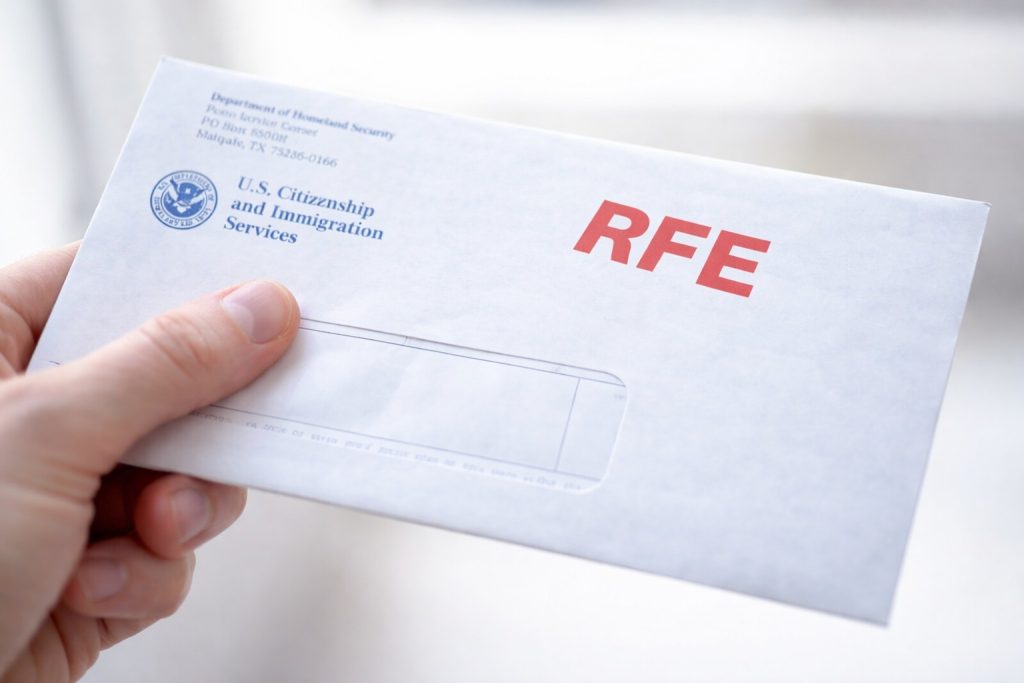
A Request for Evidence (RFE) indicates that USCIS requires additional clarification.

An expert opinion letter can help:

  • Address qualification gaps
  • Provide structured explanations
  • Support equivalency arguments

However, it should be carefully aligned with the RFE notice and supported by documentation.

Practical Guidance and Preventive Tips

While each case is unique, the following practices can help reduce risk:

Documentation Preparation
  • Keep complete academic records
  • Maintain employment verification letters
  • Organize training and certification documents
Consistency Matters
  • Ensure all documents align in dates, titles, and roles
  • Avoid discrepancies between forms and supporting evidence
Choose the Right Expert
  • Verify the expert’s credentials and relevance
  • Ensure they have experience in evaluation writing
Avoid Overstatements
  • The letter should remain objective and evidence-based
  • Avoid exaggerated claims or unsupported conclusions

Internal Resources and Further Reading

If you want to explore how expert opinion letters are structured or when they may be appropriate, you can review:

These resources provide additional context on evaluation processes and documentation standards.

Frequently Asked Questions (FAQ)

1. What is the main purpose of an expert opinion letter?

An expert opinion letter explains how a person’s foreign education or work experience compares to U.S. standards. It provides a structured analysis to help adjudicators understand qualifications within the U.S. system, especially when direct equivalency is not obvious.

2. Who can write an expert opinion letter?

Typically, a university professor or senior industry expert with relevant credentials can write the letter. The individual must have qualified authority in the subject area and be able to provide a reasoned, evidence-based evaluation.

3. Is an expert opinion letter required for every immigration case?

No, it is not always required. It is generally used when qualifications are unclear, non-traditional, or challenged by USCIS. Some cases proceed without it if academic records alone are sufficient.

4. How is an expert opinion letter different from a credential evaluation?

A credential evaluation focuses on academic equivalency. An expert opinion letter may go further by analyzing both education and work experience, especially when experience is used to meet degree requirements.

5. Can work experience be converted into a U.S. degree equivalency?

In some cases, relevant work experience may be evaluated as equivalent to academic study. This requires a structured analysis by a qualified expert who can justify the equivalency using accepted methodologies.

6. What happens if the expert opinion letter is weak or incomplete?

A weak letter may not be given significant weight by USCIS. This can lead to RFEs, delays, or additional scrutiny. The letter must be well-supported, clearly reasoned, and consistent with other evidence.

7. How long does it take to prepare an expert opinion letter?

The timeline varies depending on the complexity of the case and the availability of documentation. It generally involves document review, analysis, and drafting by the expert.

8. Can an expert opinion letter guarantee approval?

No. An expert opinion letter is only one part of the overall evidence. USCIS evaluates the entire petition, and no single document can guarantee a specific outcome.

Final Consideration

An expert opinion letter can play a meaningful role in clarifying qualifications within the U.S. system. However, its effectiveness depends on accuracy, credibility, and alignment with supporting evidence.

If you are unsure how this applies to your situation, a confidential review can help clarify your options before taking next steps.


About Sheila Danzig

Sheila Danzig is the executive director of TheDegreePeople.com and a leading expert in foreign degree evaluations. She is widely recognized for her innovative approach to difficult cases, helping thousands of clients successfully obtain visa approvals even when facing RFEs or denials. Her expertise in USCIS requirements and commitment to providing personalized, effective solutions make her a trusted resource for professionals navigating the immigration process.

Get a Free Review of Your Case

If you’ve received an RFE, don’t wait. Sheila Danzig and TheDegreePeople.com offer a free review of your case to determine the best course of action. Our expertise has helped thousands of professionals, including H-1B applicants, secure approvals even in challenging cases.

To get your free case review, visit www.ccifree.com today.

What Is an Expert Opinion Letter? Read More »

Info

Yes, you can respond to a Request for Evidence (RFE) from USCIS in many cases on your own. However, it really depends on what type of documents they are asking for.

If the RFE is simple, you may be able to handle it yourself. For example, if they are asking for missing documents like a date of birth certificate or a marriage certificate, or if they request a medical examination form, or basic proof of relationship or financial support, then you can carefully check the requirements and submit the documents yourself.

These types of straightforward issues are often manageable if you read everything properly and make sure nothing is missing.

But if the RFE is more complicated, it may be better not to handle it alone. In such cases, getting help from an experienced immigration lawyer is a safer option. This is because if the response is incomplete or incorrect, it may lead to a denial of your application.

More complex RFE situations may include things like questions about your legal immigration status, problems related to job or visa eligibility, inconsistencies in your application, or asylum and other special circumstances.

In these situations, trying to respond without proper guidance can be risky, so consulting a qualified lawyer is generally the better choice.

What Is an RFE and Why Does USCIS Send One?

Understanding Why USCIS Sends RFE Notices

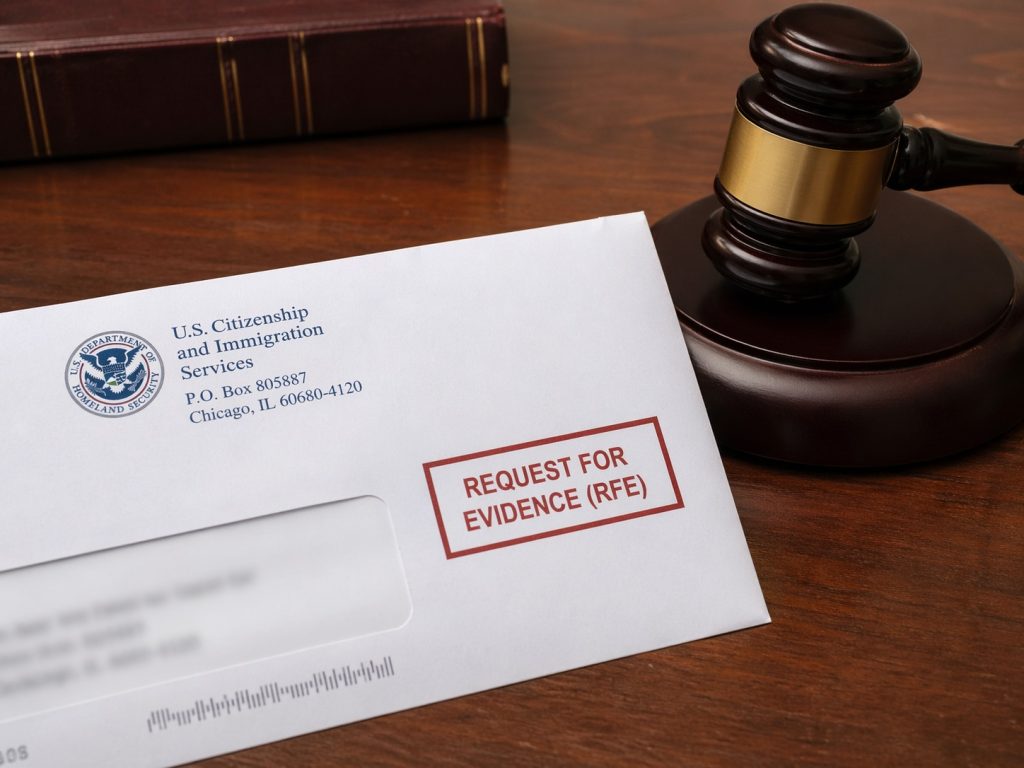
USCIS issues a Request for Evidence when the information or documents submitted with an immigration petition or application are insufficient to make a final decision. Receiving an RFE does not mean your application has been denied. It means the officer reviewing your case needs more information before proceeding.

Common reasons USCIS sends an RFE include:

  • Missing or incomplete supporting documents
  • Inconsistencies between different parts of the application
  • Unclear evidence of eligibility for a benefit or visa category
  • Insufficient proof of a qualifying relationship, employment, or financial situation
  • Questions about education credentials or job requirements

Understanding exactly why USCIS is asking is the first step toward responding correctly.

How to Respond to an RFE Without a Lawyer

Can I Respond to a USCIS RFE Myself? Step by Step

Yes, you can respond to a USCIS RFE yourself if the request is straightforward. Here is a general process to follow:

  • Step 1:  Read the RFE carefully. The notice will specify what is missing and what the response should address. Read every paragraph.
  • Step 2:  Note the deadline. RFEs come with a strict response deadline. Missing it typically results in automatic denial.
  • Step 3:  Address each point directly. Your response should correspond to every item USCIS raised.
  • Step 4:  Organize your documents clearly. Use a cover letter to summarize what you are submitting and why each document is relevant.
  • Step 5:  Make copies before submitting. Keep a complete copy of your entire RFE response for your records.
  • Step 6:  Send via trackable mail. Use a delivery method that provides confirmation and tracking.

Simple RFEs You May Be Able to Handle on Your Own

Simple Guide to Answer RFE Without a Lawyer

Not every RFE requires professional legal assistance. Some requests are administrative in nature and can be addressed with the right documents and careful attention to detail. These may include:

  • A request for a birth certificate, marriage certificate, or similar civil document
  • A request for updated financial evidence such as recent tax returns or bank statements
  • A request for a completed medical examination form (Form I-693)
  • A request for photographs that meet USCIS specifications
  • A request for proof of a residential address or identity document

If the RFE falls into one of these categories, gathering the correct documents and submitting a clear, organized response is often something applicants can manage on their own provided they take the time to do it carefully.

When You Should Consider Getting Professional Help

How to Fix RFE Problems That Are More Complex

Some RFEs go beyond missing paperwork. They raise substantive legal or eligibility questions that require a more detailed and precise response. In these situations, responding without guidance may put your entire application at risk.

You may want to seek professional support if your RFE involves:

  • Questions about whether you maintain valid immigration status
  • Issues related to job duties, specialized occupations, or visa eligibility
  • Conflicting information across multiple applications or petitions
  • Claims related to asylum, special immigrant categories, or humanitarian protection
  • A request for an expert opinion letter to support your education credentials or professional qualifications

These situations can be more complex to address if the response is incomplete or misses the legal standard USCIS is applying.

RFE Response Mistakes to Avoid

Common Nationwide Mistakes That Lead to RFE Denials

Many people respond to an RFE without realizing they have made an error until it is too late. The most common mistakes include:

  • Failing to respond to every point, USCIS officers review RFE responses point by point.
  • Submitting documents without explanation, always explain why each document is relevant.
  • Missing the deadline, there are no standard extensions in most cases.
  • Assuming the original application explains everything your response needs to add new, clarifying evidence.
  • Submitting uncertified translations, foreign-language documents require certified English translations.
  • Not keeping copies, always retain a complete copy of everything you submit.

What Happens If an RFE Is Denied?

Understanding What Happens After an RFE Denial

If USCIS determines that your RFE response was insufficient, it may result in a denial notice. A denial does not always mean the end of your immigration process, but it does mean additional steps, delays, and in some cases, the need to refile.

Depending on the type of application, you may have options such as:

  • Filing a Motion to Reopen or Reconsider (Form I-290B)
  • Refiling the petition with a stronger evidentiary record
  • Seeking additional expert documentation to address the specific concerns raised

How Credential Evaluation Connects to RFE Responses

Expert Opinion Letters and Credential Evaluation

One area where applicants often need additional documentation is education and professional qualifications. USCIS may issue an RFE asking for evidence that a foreign degree is equivalent to a U.S. bachelor’s degree, or that a job position qualifies under a specific visa category.

In these cases, a credential evaluation report or an expert opinion letter from a qualified evaluator can serve as important supporting evidence. At The Degree People (thedegreepeople.com), we provide credential evaluation services and expert opinion letters that help applicants build a complete and well-documented RFE response.

For detailed support with RFE denials and evidence preparation, visit our RFE Denials Support page: thedegreepeople.com/rfe-denials-support/

Practical Tips for Preparing Your RFE Response Documents

How to Prepare RFE Response Documents Correctly
  • Read the RFE in full before doing anything else to understand the scope of what is being requested.
  • Create a checklist, list every item USCIS has asked for and track what you have gathered.
  • Use a clear cover letter to introduce your response, reference the RFE notice number, and briefly describe each document.
  • Label all exhibits  numbering your documents and reference them in your cover letter.
  • Verify document requirements  Some documents need certified translations, notarization, or specific formatting.
  • Allow time for review and have someone unfamiliar with your case check for clarity and gaps.
  • Submit with tracking  use a mail or courier service that provides delivery confirmation.

Frequently Asked Questions

Q: Can I really respond to a USCIS RFE without a lawyer?

Yes. Many applicants respond to RFEs on their own, especially when the request involves straightforward missing documents. However, for complex issues involving legal status, visa eligibility, or occupational qualifications, professional guidance is generally a more careful approach.

Q: How long do I have to respond to an RFE?

USCIS specifies the deadline in the RFE notice itself. Response windows typically range from 12 weeks to 87 days, but this can vary. Always check the specific deadline on your notice and plan accordingly.

Q: What happens if I miss the RFE deadline?

If no response is received by the deadline, USCIS will generally deny the application based on the record as it stands. There is typically no automatic extension available.

Q: Does responding to an RFE guarantee approval?

No. Submitting a response does not guarantee a favorable outcome. A well-organized and complete response simply gives your application the best opportunity for a fair review.

Q: What is an expert opinion letter and when is it needed?

An expert opinion letter is a formal document prepared by a qualified professional that explains the nature of your education, occupation, or credentials in the context of your petition.

Q: Can a credential evaluation report help with my RFE?

Yes. If your RFE involves questions about whether a foreign degree is equivalent to a U.S. degree, a credential evaluation from a qualified evaluator can provide important supporting evidence.

Q: What are the most common reasons USCIS sends an RFE?

Common reasons include insufficient proof of a qualifying relationship, missing financial documents, questions about job duties, inconsistencies between application materials, and questions about educational credentials.

Q: Where can I get help with my RFE response documents?

If your RFE involves credential evaluation or expert opinion needs, The Degree People provides professional evaluation services. Visit thedegreepeople.com/rfe-denials-support/ to learn more.


About Sheila Danzig

Sheila Danzig is the executive director of TheDegreePeople.com and a leading expert in foreign degree evaluations. She is widely recognized for her innovative approach to difficult cases, helping thousands of clients successfully obtain visa approvals even when facing RFEs or denials. Her expertise in USCIS requirements and commitment to providing personalized, effective solutions make her a trusted resource for professionals navigating the immigration process.

Get a Free Review of Your Case

If you’ve received an RFE, don’t wait. Sheila Danzig and TheDegreePeople.com offer a free review of your case to determine the best course of action. Our expertise has helped thousands of professionals, including H-1B applicants, secure approvals even in challenging cases.

To get your free case review, visit www.ccifree.com today.


Can RFE Be Solved Without a Lawyer? A Practical Guide for U.S. Immigrants Read More »

Info

An H-1B petition faced an RFE due to the beneficiary having an incomplete college education. USCIS questioned whether the candidate met the requirement of a U.S. bachelor’s degree or its equivalent for the offered position.

In this case, the individual had completed part of a degree program but had not earned the full qualification. As a result, USCIS did not recognize the education alone as sufficient. The concern was whether the missing academic portion could be properly addressed.

The case required a detailed evaluation of both education and work experience. The focus was on determining whether the candidate’s professional background could be used to make up for the incomplete academic program. Relevant work experience played a key role in this process.

Using accepted standards, three years of progressive work experience can be considered equal to one year of college-level education. This method allows candidates with incomplete degrees to still meet H-1B requirements when their experience is strong and directly related to the field.

The evaluation carefully reviewed the candidate’s past roles, responsibilities, and growth within the field. Each position was analyzed to confirm that the experience was progressive and aligned with the specialty occupation.

TheDegreePeople.com prepared a structured evaluation that combined the completed education with verified work experience. This approach clearly demonstrated that the candidate met the equivalent of a U.S. bachelor’s degree in the required field.

With the corrected evaluation and proper documentation, the RFE concerns were addressed. The case moved forward successfully once the equivalency was clearly established.

This case shows that an incomplete degree does not automatically lead to denial. When education and experience are properly combined and documented, approval remains achievable.

Additional Resources

If you are navigating an RFE or concerned about a potential denial, these pages on our site may be useful:


About Sheila Danzig

Sheila Danzig is the executive director of TheDegreePeople.com and a leading expert in foreign degree evaluations. She is widely recognized for her innovative approach to difficult cases, helping thousands of clients successfully obtain visa approvals even when facing RFEs or denials. Her expertise in USCIS requirements and commitment to providing personalized, effective solutions make her a trusted resource for professionals navigating the immigration process.

Get a Free Review of Your Case

If you’ve received an RFE, don’t wait. Sheila Danzig and TheDegreePeople.com offer a free review of your case to determine the best course of action. Our expertise has helped thousands of professionals, including H-1B applicants, secure approvals even in challenging cases.

To get your free case review, visit www.ccifree.com today.

Incomplete Degree RFEs: How TheDegreePeople.com Strengthened This H-1B Case Read More »

Case Studies

Direct Answer: You have 87 days from the date printed on your RFE notice to submit a response to USCIS. That date is fixed, it does not adjust for postal delays or weekends. USCIS must physically receive your response by that date. Missing the deadline typically results in a decision based on your original filing, which in most cases often results in denial.

An RFE, or Request for Evidence, is not a denial. It means USCIS reviewed your petition and needs more information before it can make a decision. That distinction matters. You still have a path forward. But the clock is running, and how you use that time plays a significant role in the outcome.

This guide covers everything you need to know about RFE response deadlines: how they work under U.S. immigration rules, what common errors cost petitioners their cases, and what a thorough response actually looks like.

1. How the RFE Deadline Works Under U.S. Immigration Rules

USCIS sets the response window directly on the RFE notice. The current standard is 87 calendar days, measured from the date printed on the document, not the date you receive it in the mail.

This is generally treated as a firm deadline. USCIS does not routinely grant extensions, and the agency’s position is that 87 days provides adequate time to prepare a complete response. Extensions are reserved for documented extraordinary circumstances, which USCIS evaluates on a case-by-case basis with no guarantee of approval.

Response windows can vary by case type:

Case Type

Typical Response Window

Standard USCIS petitions (I-140, I-130)

87 days from RFE date

H-1B petitions

87 days, verify your specific notice

Form I-485 (Adjustment of Status)

87 days, confirm on notice

DACA-related requests

May be shorter, read notice carefully

Other benefit categories

Varies, always check your RFE notice

The only authoritative source for your specific deadline is the RFE itself. Always read the full notice before assuming the 87-day standard applies.

2. Why This Matters in U.S. Immigration Proceedings

RFEs appear across nearly every major immigration category, including H-1B specialty occupation petitions, EB-2 and EB-3 employment-based green cards, family-based I-130 petitions, adjustment of status filings, and more. The RFE process is built into how USCIS adjudicates complex cases.

What makes the deadline high-stakes is the consequence of missing it. USCIS may deny the case based on the existing record and issue a denial based on whatever was in your original filing. Filing fees are not refunded. If you need to refile, you start over, with new fees and new waiting periods, and in some cases, new eligibility questions tied to the gap in your status.

For people in the U.S. on temporary work visas, an RFE denial can directly affect current employment authorization. Timing is not just administrative, it can have real consequences for your work, your family, and your long-term immigration goals.

3. Common Mistakes Petitioners Make

Most RFE-related problems are preventable. These are the patterns that are commonly associated with avoidable outcomes:

  • Counting from the wrong date. The clock starts on the date printed on the RFE, not the postmark, not the date it arrives at your address. Mail delivery can absorb a week or more of your response window before you even open the envelope.
  • Failing to respond to every issue. USCIS officers expect every point in the RFE to be addressed. Leaving one item unaddressed, even one that seems minor, gives the adjudicator grounds to deny on that basis alone.
  • Submitting disorganized evidence. A response that is hard to follow is easier to deny. Without a clear cover letter, a table of contents, and properly labeled exhibits, adjudicators may overlook critical evidence simply because it is not easy to locate.
  • Using unqualified evaluators or opinion authors. Credential evaluation service may raise credibility concerns with USCIS. The same applies to expert opinion letters. The qualifications of the author and the methodology of the evaluation matter.
  • Waiting to see if USCIS will grant an extension. Extensions are rare. Assuming one will be granted, or waiting to start until you confirm otherwise, is a risk with no upside.
  • Mailing too close to the deadline. USCIS counts receipt, not postmark. A package mailed two days before the deadline and delayed in transit arrives late, and late means the case is decided on the original record.

4. How USCIS Evaluates RFE Responses

When your response arrives, USCIS assigns it back to the adjudicating officer, who reviews it alongside your original petition. The officer evaluates whether direct, documented answers to the specific issues raised, not general background information about your qualifications or your employer.

What USCIS weighs in an RFE response:

  • Whether every issue in the RFE was addressed
  • Whether the evidence submitted is credible, complete, and directly relevant
  • Whether the documentation meets the evidentiary standard for the visa category
  • Whether credential evaluations or expert opinions are authored by qualified professionals with documented methodology
  • Whether the legal arguments, if any, are supported by case law or regulatory guidance

USCIS adjudicators are experienced reviewers. A response that restates your original filing without providing the specific evidence that was requested often does not succeed. The response needs to fill the gap the officer identified clearly and completely.

5. When Professional Evaluation or Guidance May Be Appropriate

Not every RFE requires the same level of professional support. A straightforward request for a missing tax form is different from an RFE questioning whether your position qualifies as a specialty occupation under 8 CFR 214.2(h)(4).

Professional evaluation may be appropriate when:

  • Your RFE involves questions about your educational credentials, particularly a foreign degree
  • USCIS is questioning the specialty occupation nature of a job offer
  • You are claiming a combination of education and experience in lieu of a degree
  • Your field of study does not appear directly related to the offered position
  • The RFE involves complex legal questions about employer-employee relationships or the nature of the work

An immigration attorney can help you understand what the RFE is actually asking, what level of response is appropriate, and what evidentiary gaps need to be filled. That analysis is usually worth the time, particularly if your case involves significant personal or professional stakes.

6. How This Connects to Credential Evaluations and Expert Opinion Letters

Two documents appear more frequently than almost anything else in employment-based RFE responses: credential evaluations and expert opinion letters.

Credential Evaluations

If your degree is from a foreign institution, USCIS may question how it compares to a U.S. bachelor’s degree in a specific field. A credential evaluation from a recognized organization provides that comparison, with documented methodology and a qualified evaluator’s professional judgment. It translates your academic background into terms that U.S. adjudicators can assess against regulatory standards.

Expert Opinion Letters

When USCIS questions whether a position requires at least a bachelor’s degree in a specific specialty, which is the core test for H-1B and some other categories, an expert opinion letter provides authoritative context. A qualified professional with academic or industry standing analyzes the position’s duties, explains why specialized knowledge is required, and supports that analysis with reference to industry norms and professional literature.

Both documents need to come from credentialed sources. The evaluator’s qualifications and the letter author’s credentials should be clearly stated within the documents themselves. USCIS reviews these carefully.

If you have received an RFE and need a credential evaluation or expert opinion letter, Career Consultant International provides these services for immigration-related filings.

7. Practical Tips for Managing Your RFE Timeline

These are not legal strategies, they are practical steps that help you use your 87 days effectively:

  1. Read the RFE in full on the day you receive it. Identify every issue raised, not just the first one.
  2. Calculate your actual deadline immediately. Count 87 days from the date on the notice, not the date you received it. Write it down and set a reminder.
  3. Plan to submit by day 75, not day 87. This builds in a buffer for shipping and any last-minute corrections.
  4. Contact credential evaluators and expert opinion letter providers within the first week. These documents take time to prepare and should not be ordered at the last moment.
  5. Keep a copy of everything you submit, including the shipping receipt and delivery confirmation.
  6. Use a trackable courier service. USCIS counts physical receipt, and you need proof that your package arrived on time.
  7. If you are working with an attorney, share the RFE immediately. They need time to review the issues and coordinate the response.

8. Additional Resources

If you are navigating an RFE or concerned about a potential denial, these pages on our site may be useful:

9. Frequently Asked Questions

How long do I have to respond to an RFE from USCIS?

The standard response window is 87 calendar days from the date printed on the RFE notice. Some case types may have shorter deadlines. Always read your specific notice, the deadline is printed on it. Do not count from the date you received the document in the mail.

What happens if I miss the RFE response deadline?

USCIS will adjudicate your case based on the record as originally submitted. In most instances, this results in a denial. Filing fees are not refunded, and you would typically need to refile the petition from the beginning. Missing the deadline is one of the most consequential errors in the RFE process.

Can I request more time to respond to an RFE?

USCIS does not routinely grant extensions. The agency’s position is that 87 days is sufficient. Extensions may be considered in extraordinary documented circumstances, but there is no guarantee. Do not delay preparing your response while waiting to find out if more time will be granted.

Do I need an attorney to respond to an RFE?

No, USCIS allows self-represented responses. However, for RFEs involving specialty occupation determinations, credential equivalency, or complex legal questions, professional guidance reduces the risk of an incomplete or misdirected response. The value of legal review depends on what the RFE is asking.

What is an expert opinion letter, and when is it needed?

An expert opinion letter is a document authored by a credentialed professional that provides substantive analysis of a job position, an applicant’s qualifications, or an industry standard. It is most commonly needed when USCIS questions whether a position qualifies as a specialty occupation or when a petitioner’s educational background requires professional interpretation.

Does the deadline start from the date on the RFE or when I receive it?

It starts from the date printed on the RFE notice, not the date it arrives at your mailbox. This is a consistent source of confusion. If your RFE is dated April 1 and you receive it April 8, you have already lost a week of your response window. Act on the printed date.

What should a complete RFE response include?

A complete response includes a cover letter identifying the petition and summarizing the evidence, a point-by-point written response to every issue raised, all requested supporting documents, properly labeled exhibits, and any professional evaluations or expert letters required by the specific RFE. Organization and completeness both matter.

Can a denied petition be reopened after a missed RFE deadline?

In some circumstances, a Motion to Reopen (Form I-290B) can be filed. Approval is not guaranteed and depends on USCIS discretion. Strict deadlines apply to motions as well. If you have missed an RFE deadline and received a denial, consult a qualified immigration attorney before taking any further steps.


About Sheila Danzig

Sheila Danzig is the executive director of TheDegreePeople.com and a leading expert in foreign degree evaluations. She is widely recognized for her innovative approach to difficult cases, helping thousands of clients successfully obtain visa approvals even when facing RFEs or denials. Her expertise in USCIS requirements and commitment to providing personalized, effective solutions make her a trusted resource for professionals navigating the immigration process.

Get a Free Review of Your Case

If you’ve received an RFE, don’t wait. Sheila Danzig and TheDegreePeople.com offer a free review of your case to determine the best course of action. Our expertise has helped thousands of professionals, including H-1B applicants, secure approvals even in challenging cases.

To get your free case review, visit www.ccifree.com today.

How Long Do I Have to Respond to an RFE? Read More »

Info

When U.S. Citizenship and Immigration Services issues a Request for Evidence, applicants often feel uncertain about what comes next. An RFE does not mean a petition will be denied. It simply means USCIS needs more information before reaching a decision. With the right documentation and a carefully prepared response, many cases move forward successfully. TheDegreePeople.com has long helped clients prepare strong responses that provide the evidence USCIS is seeking.

RFEs are issued when an application does not include enough information for a final determination. This can happen for several reasons. USCIS may question academic credentials, especially when foreign degrees must be compared to U.S. standards. In other cases, the concern may involve limited documentation of work experience, missing translations, or unclear supporting materials. Sometimes inconsistencies appear between the job description and the qualifications required for the role. Each of these issues requires a clear and well supported response.

TheDegreePeople.com focuses on education and credential evaluations designed to meet USCIS expectations. When RFEs involve degree equivalency, coursework relevance, or job experience questions, their team prepares evaluations that explain how a person’s background meets U.S. standards. Their services include credential evaluations for foreign education, expert opinion letters from industry professionals, and work experience evaluations that translate relevant employment history into academic equivalency when appropriate. They also assist with preparing organized RFE response packages that address each concern raised by USCIS.

Years of experience with immigration related evaluations allow TheDegreePeople.com to provide responses built around USCIS review standards. The company reports a 92 percent approval rate for H1B and I140 filings, reflecting the effectiveness of its evaluation work. Each case receives individual attention so the documentation aligns with the specific facts of the petition and the questions raised in the RFE.

Their approach also focuses on both resolving RFEs and preventing them when possible. Evaluations are prepared to address the exact concerns raised in the notice so that every document directly supports the case. TheDegreePeople.com relies on a team familiar with immigration requirements and international education systems, allowing them to prepare evaluations that match the standards expected by USCIS.

Because RFE responses must be submitted within strict deadlines, the team works closely with applicants and attorneys to ensure documents are prepared and delivered on time. Their services also extend beyond academic records. They review professional experience and connect job duties with an applicant’s education, showing how academic knowledge is applied in a real work setting.

As immigration policies evolve, accurate documentation becomes even more important. TheDegreePeople.com continues to prepare evaluations that reflect current USCIS expectations, helping applicants present stronger cases and improving the likelihood of approval.


About Sheila Danzig

Sheila Danzig is the executive director of TheDegreePeople.com and a leading expert in foreign degree evaluations. She is widely recognized for her innovative approach to difficult cases, helping thousands of clients successfully obtain visa approvals even when facing RFEs or denials. Her expertise in USCIS requirements and commitment to providing personalized, effective solutions make her a trusted resource for professionals navigating the immigration process.

Get a Free Review of Your Case

If you’ve received an RFE, don’t wait. Sheila Danzig and TheDegreePeople.com offer a free review of your case to determine the best course of action. Our expertise has helped thousands of professionals, including H-1B applicants, secure approvals even in challenging cases.

To get your free case review, visit www.ccifree.com today.

How TheDegreePeople.com Helps Resolve Challenging USCIS RFEs Read More »

Immigration
How to respond to USCIS RFE - US immigration flags

To respond to a USCIS RFE (Request for Evidence), you must carefully review the notice, collect the exact documents USCIS requested, organize them into a clear response packet, and submit everything before the deadline using the correct mailing method. A well-structured, evidence-based response can help USCIS continue processing your case without unnecessary delays.

What Is a USCIS RFE?

A USCIS RFE (Request for Evidence) is an official letter issued by U.S. Citizenship and Immigration Services (USCIS) when the officer reviewing an immigration petition determines that the case lacks enough documentation to approve it.

An RFE does not automatically mean your case will be denied. Instead, it means USCIS needs additional proof, clarification, or supporting records before making a final decision.

RFEs are common in many immigration filings, including employment-based petitions, family petitions, adjustment of status cases, and other benefit requests.

Why Responding to a USCIS RFE Correctly Matters

Responding to an RFE is not simply about sending extra paperwork. It is about providing the right evidence, in the right format, within the deadline, and in a way that makes it easy for USCIS to review.

A strong RFE response can:

      • Prevent delays in your immigration case

      • Reduce the chance of denial due to missing proof

      • Clarify eligibility issues USCIS identified

      • Improve the overall strength and consistency of the petition

    A weak response, late response, or incomplete response can result in:

        • Petition denial

        • Rejection of evidence

        • Longer processing timelines

        • Loss of eligibility in some cases

      Because RFEs can affect work authorization, immigration status, and petition outcomes, the response should be treated as a formal legal submission, even if you are not working with an attorney.

      How to Respond to USCIS RFE

      Step 1: Read the RFE Notice Carefully (More Than Once)

      The first and most important step is to carefully review the RFE letter from USCIS. Many applicants rush and misunderstand what USCIS is actually requesting.

      Focus on:

          • The specific evidence USCIS is requesting

          • The legal or eligibility issue being questioned

          • The response deadline

          • The correct mailing address

          • Any special formatting or document requirements

        Important: USCIS RFEs are usually very specific. If USCIS requests one item, sending unrelated evidence will not help.

        Step 2: Identify the Exact Problem USCIS Is Raising

        USCIS RFEs generally fall into one of these categories:

            • Missing documentation

            • Unclear eligibility evidence

            • Inconsistent information

            • Weak proof of qualifications

            • Questions about education equivalency

            • Employer-employee relationship concerns

            • Specialty occupation concerns

            • Work experience verification issues

          Understanding the category of the RFE helps you respond logically.

          For example:

              • If USCIS questions education, the response must focus on academic records and equivalency proof.

              • If USCIS questions job duties, the response must focus on employer letters, organizational structure, and job documentation.

            Step 3: Create a Response Strategy (Do Not Guess)

            Once you understand what USCIS is asking for, you should create a checklist of requested evidence.

            A good strategy includes:

                • Listing every item USCIS requested

                • Matching each request with supporting documents

                • Providing clear explanations when needed

                • Ensuring all evidence is consistent with your original petition

              This step matters because USCIS officers typically review responses quickly. If your response is not organized, important evidence may be missed.

              Step 4: Gather Supporting Documents (Only Relevant Evidence)

              USCIS wants documentation that is:

                  • Verifiable

                  • Clearly readable

                  • Relevant to the RFE question

                  • Consistent with previous filings

                Common documents used in RFE responses include:

                    • Academic degrees and transcripts

                    • Credential evaluation reports

                    • Employer verification letters

                    • Job duty descriptions

                    • Pay stubs and tax records

                    • Contracts, invoices, or project documentation

                    • Organizational charts

                    • Professional licenses or certifications

                    • Passport, ID, and civil documents

                    • Certified translations (if needed)

                  Tip: Avoid sending unnecessary personal documents unless USCIS specifically asks.

                  Step 5: Address Education-Based RFEs With Credential Evaluation (If Relevant)

                  Many USCIS RFEs involve questions such as:

                      • Is the foreign degree equivalent to a U.S. bachelor’s degree?

                      • Does the degree match the specialty occupation requirement?

                      • Is the academic program recognized and credible?

                    In such cases, a foreign credential evaluation may help clarify how international education compares to U.S. academic standards.

                    A proper credential evaluation report may include:

                        • Degree equivalency level (Bachelor’s/Master’s)

                        • Program length analysis

                        • Academic institution review

                      • Course specialization alignment

                      (Always ensure the evaluation is accurate, evidence-based, and consistent with USCIS expectations.)

                      Step 6: Prepare a Clear Cover Letter (Highly Recommended)

                      A professional cover letter is not mandatory, but it is one of the most effective ways to improve clarity.

                      Your cover letter should include:

                          • Applicant name and case receipt number

                          • Petition type

                          • RFE notice date

                          • A clear statement that the package is an RFE response

                          • A list of all evidence included

                          • A short explanation for each item requested

                        Best practice: Use a numbered format so the officer can easily match your response to each RFE question.

                        Example structure:

                            • RFE Item #1: Evidence of degree equivalency
                                  • Attached: transcripts, diploma, credential evaluation report

                              • RFE Item #2: Evidence of job duties
                                    • Attached: employer letter, job description, organizational chart

                              This approach reduces confusion and increases credibility.

                              Step 7: Organize the Response Packet Professionally

                              USCIS officers review many cases daily. Your response should be easy to navigate.

                              A strong RFE response packet usually includes:

                                  • Copy of the RFE notice (placed on top)

                                  • Cover letter

                                  • Table of contents

                                  • Evidence sections separated by labels

                                  • Supporting documentation in order

                                  • Translations and certifications (if applicable)

                                Use dividers or page labels such as:

                                    • Exhibit A: Diploma and transcript

                                    • Exhibit B: Credential evaluation report

                                    • Exhibit C: Employer letter and job duties

                                    • Exhibit D: Supporting payroll evidence

                                  This is a practical compliance step that improves readability.

                                  Step 8: Check Consistency Before Submitting

                                  Before mailing your response, verify that all evidence is consistent.

                                  Double-check:

                                      • Names and spellings

                                      • Dates of employment

                                      • Degree titles and years

                                      • Job titles and duties

                                      • Employer addresses and business details

                                    Even small inconsistencies can trigger additional review, delays, or denial.

                                    Step 9: Submit the RFE Response Before the Deadline

                                    USCIS RFEs include a strict deadline. Late submissions are often not accepted.

                                    Important submission rules:

                                        • Send to the exact address on the RFE notice

                                        • Follow the delivery method recommended by USCIS

                                        • Use trackable mailing

                                        • Keep a complete copy of your response package

                                        • Keep proof of delivery

                                      USCIS typically does not allow email submissions unless the notice explicitly permits it.

                                      Common Mistakes People Make When Responding to USCIS RFE

                                      Many RFEs lead to denial not because the case is weak, but because the response was poorly prepared.

                                      Common mistakes include:

                                          • Missing the deadline

                                          • Sending incomplete evidence

                                          • Ignoring one part of the RFE

                                          • Sending too many irrelevant documents

                                          • Submitting unclear scans or unofficial translations

                                          • Responding emotionally rather than factually

                                          • Not explaining how the evidence meets USCIS requirements

                                          • Providing inconsistent job duties or education history

                                        The best RFE responses are focused, structured, and evidence-driven.

                                        How USCIS Evaluates Your RFE Response

                                        USCIS officers typically evaluate RFE responses based on:

                                            • Whether each request was answered directly

                                            • Whether the evidence is credible and verifiable

                                            • Whether the explanation is logical and consistent

                                            • Whether the documentation matches U.S. standards

                                            • Whether eligibility is clearly proven

                                          USCIS is not looking for excessive paperwork. USCIS is looking for clear proof.

                                          A response that is organized and professionally presented often improves review efficiency.

                                          When Professional Guidance May Be Appropriate (Neutral)

                                          Not every RFE requires professional support. However, professional guidance may be appropriate when:

                                              • The RFE involves foreign education equivalency

                                              • The petition includes non-standard degrees (such as three-year programs)

                                              • USCIS requests proof of specialty occupation qualification

                                              • The RFE contains multiple complex issues

                                              • The case has a prior denial or repeated RFE history

                                              • Work experience must be documented professionally

                                              • Deadlines are short and the risk of error is high

                                            In such cases, credential evaluation professionals or immigration documentation specialists may help clarify evidence requirements and strengthen presentation.

                                            How This Connects to Expert Opinion Letters and RFE Support

                                            Some RFEs require evidence that goes beyond standard documents.

                                            For example, USCIS may require:

                                                • Explanation of foreign academic equivalency

                                                • Analysis of course specialization relevance

                                                • Support for work experience equivalency

                                                • Professional interpretation of academic standards

                                              In these situations, a credential evaluation report or expert opinion letter may provide structured evidence that aligns with USCIS review expectations.

                                              Practical Tips to Prevent Future RFEs (Preventive Guidance)

                                              While not all RFEs can be avoided, many are preventable.

                                              Practical prevention steps include:

                                                  • Submit complete documentation at the first filing

                                                  • Ensure translations are certified where required

                                                  • Keep job duties detailed and realistic

                                                  • Avoid vague experience letters

                                                  • Provide education equivalency proof early when needed

                                                  • Keep all forms consistent with supporting evidence

                                                  • Use structured evidence labeling in initial submissions

                                                Strong initial filing quality is one of the best ways to reduce the chance of an RFE.

                                                Final Thoughts

                                                Receiving an RFE from USCIS can be stressful, but it is often a routine part of immigration review. The best approach is to respond calmly, follow USCIS instructions exactly, and submit clear, well-organized evidence that directly answers the request. If you’re unsure how the RFE relates to your education or documentation, a confidential review can help clarify your options before taking next steps.


                                                About Sheila Danzig

                                                Sheila Danzig is the executive director of TheDegreePeople.com and a leading expert in foreign degree evaluations. She is widely recognized for her innovative approach to difficult cases, helping thousands of clients successfully obtain visa approvals even when facing RFEs or denials. Her expertise in USCIS requirements and commitment to providing personalized, effective solutions make her a trusted resource for professionals navigating the immigration process.

                                                Get a Free Review of Your Case

                                                If you’ve received an RFE, don’t wait. Sheila Danzig and TheDegreePeople.com offer a free review of your case to determine the best course of action. Our expertise has helped thousands of professionals, including H-1B applicants, secure approvals even in challenging cases.

                                                To get your free case review, visit www.ccifree.com today.

                                                How to Respond to USCIS RFE (Request for Evidence) Read More »

                                                Credential Evaluation

                                                An RFE from USCIS (Request for Evidence) is an official notice asking for additional documents or clarification before an immigration petition or application can be approved. It does not automatically mean denial, but it does mean USCIS needs stronger proof to confirm eligibility. Responding correctly and on time is essential.

                                                What Is an RFE From USCIS? (Clear Definition)

                                                An RFE, or Request for Evidence, is a formal letter issued by the U.S. Citizenship and Immigration Services (USCIS) when the officer reviewing a case determines that the petition does not contain enough evidence to make a final decision.

                                                In simple terms, USCIS is saying:

                                                “We reviewed your case, but we need more information before we can approve or deny it.”

                                                An RFE is common in many U.S. immigration processes and can occur in:

                                                    • Employment-based petitions

                                                    • Family-based petitions

                                                    • Student-related applications

                                                    • Adjustment of status filings

                                                    • Green card and visa-related cases

                                                  The key point is that USCIS is giving the applicant an opportunity to strengthen the case rather than denying it immediately.

                                                  Why USCIS Issues RFEs

                                                  USCIS issues an RFE when the submitted paperwork is incomplete, unclear, inconsistent, or not persuasive enough to meet the immigration requirement.

                                                  Common reasons USCIS sends an RFE include:

                                                      • Missing required documents

                                                      • Unclear eligibility proof

                                                      • Conflicting information between forms and supporting evidence

                                                      • Missing translations or certifications

                                                      • Weak evidence of education or work experience

                                                      • Lack of proof that a job qualifies as a specialty occupation

                                                      • Employer-employee relationship concerns

                                                      • Questions about degree equivalency

                                                    RFEs can range from simple requests (missing signature or missing page) to complex requests requiring detailed professional documentation.

                                                    Why an RFE Matters in U.S. Immigration, Employment, and Education

                                                    Even though an RFE is not a denial, it can significantly affect timelines and future decisions.

                                                    Immigration impact

                                                    An RFE usually pauses processing until USCIS receives and reviews the response. This can cause delays that may affect:

                                                        • Visa approvals

                                                        • Work authorization planning

                                                        • Status extension timing

                                                        • Petition deadlines

                                                      Employment impact

                                                      For employer-sponsored immigration, RFEs may disrupt:

                                                          • Hiring timelines

                                                          • Start dates

                                                          • Compliance documentation

                                                          • Business planning

                                                        Education impact

                                                        In education-based immigration matters, USCIS may request proof of academic equivalency or credential legitimacy, which can affect:

                                                            • Eligibility decisions

                                                            • Academic qualification confirmation

                                                            • Degree equivalency analysis

                                                          What an RFE Usually Contains

                                                          A USCIS RFE letter is typically structured and detailed. Most RFEs include:

                                                              • The case type and receipt number

                                                              • The issue USCIS identified

                                                              • A list of required evidence

                                                              • Instructions for submission

                                                              • A strict response deadline

                                                              • Mailing address for the response package

                                                            Important note:

                                                            USCIS RFEs are time-sensitive. If the deadline is missed, the case may be denied or rejected without further notice.

                                                            RFE vs Denial vs NOID

                                                            Many applicants confuse an RFE with other USCIS notices. Understanding the difference matters.

                                                            RFE (Request for Evidence)

                                                                • USCIS needs more proof

                                                                • Applicant has a chance to respond

                                                                • Case is still under review

                                                              NOID (Notice of Intent to Deny)

                                                                  • USCIS believes the case may not qualify

                                                                  • Stronger warning than an RFE

                                                                  • Requires a very detailed response

                                                                Denial

                                                                    • USCIS has already decided the case does not qualify

                                                                    • Case is closed unless appealed or refiled

                                                                  An RFE is generally a “fix it” opportunity, while a NOID is closer to a final warning.

                                                                  Common Types of USCIS RFEs (Nationwide)

                                                                  RFEs vary by petition type, but certain categories are extremely common across the U.S.

                                                                  1. Education and Degree Equivalency RFEs

                                                                  USCIS may question whether foreign education meets U.S. standards. This is especially common in employment-based petitions.

                                                                  Typical issues include:

                                                                      • Three-year bachelor’s degrees

                                                                      • Missing transcripts

                                                                      • Non-standard academic programs

                                                                      • Lack of U.S. equivalency proof

                                                                    This is where credential evaluation becomes important. A professional foreign credential evaluation report may help explain how international education compares to U.S. education.

                                                                    Internal service page support: Foreign Credential Evaluation USA

                                                                    2. Specialty Occupation RFEs

                                                                    Common in professional work visa filings. USCIS may ask whether the job truly requires a bachelor’s degree in a specific field.

                                                                    3. Employer-Employee Relationship RFEs

                                                                    USCIS may request proof that:

                                                                        • the employer controls the work

                                                                        • the job is real and ongoing

                                                                        • supervision and payroll structure exist

                                                                      4. Work Experience and Job History RFEs

                                                                      USCIS may request:

                                                                          • employment letters

                                                                          • pay records

                                                                          • job duties evidence

                                                                          • proof that work experience matches claimed skills

                                                                        5. Documentation or Form Errors

                                                                        These RFEs may occur due to:

                                                                            • missing pages

                                                                            • unclear copies

                                                                            • inconsistent dates

                                                                            • missing signatures

                                                                          Common Misconceptions About USCIS RFEs

                                                                          Many people misunderstand what an RFE means, which can lead to poor decisions.

                                                                          Misconception #1: An RFE means my case will be denied.

                                                                          Not necessarily. Many cases are approved after a proper RFE response.

                                                                          Misconception #2: Any evidence is fine as long as I submit something.

                                                                          USCIS expects the response to directly address each question in the RFE.

                                                                          Misconception #3: I should send too many documents just to be safe.

                                                                          Overloading the response with irrelevant paperwork can confuse the officer and weaken clarity.

                                                                          Misconception #4: I can respond later if I’m busy.

                                                                          Deadlines are strict. Late responses can lead to denial.

                                                                          How USCIS Evaluates an RFE Response

                                                                          USCIS officers review the response based on whether the evidence provided resolves the concerns listed in the notice.

                                                                          USCIS typically looks for:

                                                                              • Clear organization

                                                                              • Proper labeling and indexing

                                                                              • Consistency across documents

                                                                              • Credible and verifiable proof

                                                                              • Direct response to each question

                                                                              • Professional explanations when needed

                                                                            The response should be structured like a professional submission, not like a random file upload.

                                                                            How This Connects to Credential Evaluation and Expert Opinion Letters

                                                                            Many RFEs involve education, degree equivalency, and qualification concerns, especially when foreign education is involved.

                                                                            Credential evaluation relevance

                                                                            If USCIS questions whether a foreign degree is equivalent to a U.S. degree, a credential evaluation report may help clarify:

                                                                                • degree level equivalency (Bachelor’s/Master’s)

                                                                                • length of study

                                                                                • academic institution recognition

                                                                                • course content and specialization relevance

                                                                              A properly prepared evaluation can reduce confusion and help USCIS understand the applicant’s educational background in U.S. terms.

                                                                              You can learn more about credential evaluation services here:

                                                                              Expert opinion letters relevance

                                                                              Some RFEs require expert analysis, especially when:

                                                                                  • education does not follow standard U.S. patterns

                                                                                  • job requirements are specialized

                                                                                  • work experience is used to support qualification

                                                                                Expert opinion letters are often used to explain technical or academic equivalency in a structured way.

                                                                                When Professional Guidance May Be Appropriate 

                                                                                Not every RFE requires H-1B RFE response service. However, professional guidance may be helpful when:

                                                                                    • The RFE involves degree equivalency concerns

                                                                                    • The case includes foreign education documentation

                                                                                    • USCIS requests specialized evidence

                                                                                    • The petition has a prior denial history

                                                                                    • The RFE contains multiple complex questions

                                                                                    • There is a short deadline and high risk of error

                                                                                  In these situations, structured documentation and proper interpretation can reduce confusion and improve compliance.

                                                                                  Practical Tips for Responding to a USCIS RFE (Non-Legal Guidance)

                                                                                  Here are practical steps that can improve clarity and reduce avoidable mistakes.

                                                                                  1. Read the RFE carefully multiple times

                                                                                  Highlight exactly what USCIS is asking for. Do not guess.

                                                                                  2. Organize your response like a professional packet

                                                                                  Include:

                                                                                      • cover letter

                                                                                      • table of contents

                                                                                      • labeled evidence sections

                                                                                      • supporting documents in order

                                                                                    3. Respond to every item listed

                                                                                    If USCIS asks for 5 items, provide a response for all 5.

                                                                                    4. Avoid irrelevant evidence

                                                                                    Only include what supports the request.

                                                                                    5. Use clear copies and certified translations

                                                                                    Unclear scans or unofficial translations can cause rejection.

                                                                                    6. Keep everything consistent

                                                                                    Dates, job titles, academic years, and names must match across all documents.

                                                                                    7. Mail using trackable delivery

                                                                                    Always keep proof of delivery and a full copy of your response package.

                                                                                    Frequently Asked Questions (AEO-Focused)

                                                                                    1. What is an RFE from USCIS?

                                                                                    An RFE from USCIS is a Request for Evidence, meaning USCIS needs additional documents or clarification before deciding on an immigration petition. It does not automatically mean denial, but it must be answered correctly and before the deadline to avoid negative outcomes.

                                                                                    2. Does receiving an RFE mean my case will be denied?

                                                                                    No. An RFE means USCIS needs more proof to make a decision. Many cases are approved after a proper response. The final outcome depends on whether the evidence submitted resolves the concerns listed in the RFE notice.

                                                                                    3. How long do I have to respond to a USCIS RFE?

                                                                                    USCIS provides a specific response deadline printed on the RFE notice. Deadlines vary depending on case type. Missing the deadline may result in denial or rejection, so it is important to respond early and submit complete documentation.

                                                                                    4. What happens if I respond late to an RFE?

                                                                                    If the RFE response is late, USCIS may deny the petition or decide the case using only the evidence already submitted. In most situations, USCIS does not accept late responses unless specific exceptions apply, so timely submission is critical.

                                                                                    5. What documents are commonly requested in an RFE?

                                                                                    USCIS may request education documents, transcripts, employer letters, job duty details, proof of work experience, financial evidence, or identity records. The request depends on the petition type. Many RFEs focus on eligibility proof and consistency of supporting documentation.

                                                                                    6. Can foreign credential evaluation help with an RFE?

                                                                                    Yes, in cases where USCIS questions foreign education equivalency, a credential evaluation may help clarify how the degree compares to U.S. standards. It can strengthen evidence for education-based eligibility, especially in employment-related petitions and specialty occupation reviews.

                                                                                    7. What is the difference between an RFE and a NOID?

                                                                                    An RFE asks for more evidence before USCIS makes a decision. A NOID (Notice of Intent to Deny) indicates USCIS is leaning toward denial unless strong evidence is provided. A NOID is typically more serious and requires a stronger response strategy.

                                                                                    8. Should I get professional help for an RFE?

                                                                                    Professional guidance may be appropriate when the RFE is complex, involves foreign education equivalency, includes multiple issues, or follows a prior denial. While not always required, structured and accurate responses can reduce mistakes and improve clarity for USCIS review.

                                                                                    Final Thoughts 

                                                                                    A USCIS RFE can feel stressful, but it is often a normal part of the immigration review process. The most important step is responding carefully, clearly, and with properly organized supporting evidence. If you’re unsure how the RFE applies to your education or documentation, a confidential review can help clarify your options before taking next steps.


                                                                                    About Sheila Danzig

                                                                                    Sheila Danzig is the executive director of TheDegreePeople.com and a leading expert in foreign degree evaluations. She is widely recognized for her innovative approach to difficult cases, helping thousands of clients successfully obtain visa approvals even when facing RFEs or denials. Her expertise in USCIS requirements and commitment to providing personalized, effective solutions make her a trusted resource for professionals navigating the immigration process.

                                                                                    Get a Free Review of Your Case

                                                                                    If you’ve received an RFE, don’t wait. Sheila Danzig and TheDegreePeople.com offer a free review of your case to determine the best course of action. Our expertise has helped thousands of professionals, including H-1B applicants, secure approvals even in challenging cases.

                                                                                    To get your free case review, visit www.ccifree.com today.

                                                                                    What Is an RFE From USCIS? Read More »

                                                                                    Info

                                                                                    Education RFEs are on the rise because a Bachelor’s degree equivalence must be a single source, and qualified candidates with three-year degrees and degrees that do not actually have the word “degree” in them are running into trouble. Complex education requirements for EB2 Visa candidates have left many lawyers wondering if it’s even worth the time to take on clients with difficult degrees. 

                                                                                    The answer is not to turn away candidates with difficult degrees. Many countries have three-year bachelor degree structures and degrees without the word “degree” in the title, and more and more skilled workers are coming from these countries with these difficult degrees to work the jobs the US economy needs for a prosperous and competitive economy. The answer is for lawyers to work with credential evaluators to find creative solutions to USCIS education hang-ups. A credential evaluator on your team can make the difference between a Denial and an Approval. 

                                                                                    Because we specialize in RFEs and Denials at TheDegreePeople.com, we see more of them than anyone else in the field. As a result, we are in the best position to analyze CIS, understand what they are looking for, and spot trends when they emerge. Have an evaluator review your client’s education and work experience to see if they can meet CIS educational equivalency requirements within their specific equivalency parameters. There are three main ways in which an evaluator can be helpful to you as a lawyer. 

                                                                                    First, a skilled credential evaluator has a complex understanding of international education and the academic content and educational stages of different degrees from different countries. With this understanding, an evaluator can look at your client’s education and already know its academic value in the United States. 

                                                                                    Second, they have access to equivalence references beyond the standard equivalency database that translation agencies and other agencies that are not actually credential evaluation agencies use. The standard equivalence database actually uses the most conservative equivalencies, so working with a credential evaluator will give you and your client more options and flexibility. 

                                                                                    Third, skilled credential evaluators know CIS trends, federal case law, and international trade organization agreements that can support your client’s case. In these three ways, a credential evaluator can help you and your client find creative solutions in dealing with difficult degrees. With more RFEs issued every year, we have noticed some trends. There are three main education problems that get overlooked when filing the initial Visa petition that trigger RFEs. 

                                                                                    All of these problems can be rectified or avoided in the first place by working with a credential evaluator who understands CIS trends and federal case law. The first problem is combining education and work experience to draw a US Bachelor’s degree equivalency. When an evaluation combines work experience and college credit for an EB2 petition, best-case scenario is it will trigger an RFE. This is because in this particular Visa, CIS requires the Bachelor’s degree be a single source. There are two ways credential evaluators have been able to address this issue. 

                                                                                    The first option is to combine a three-year Bachelor’s degree with a one-year PGD or a two-year Master’s Degree, accompanied by an expert opinion letter. Since the Bachelor’s degree is the Master’s or PGD prerequisite, it is still a single source. The second option is to convert five years of post-education work experience into the equivalence of a US Master’s degree by citing federal case law. We have seen success with this second method even if the education major does not match PERM requirements, or the PERM states combining a Bachelor’s degree and plus five years of work experience is unacceptable. There are never any guarantees with CIS, but at TheDegreePeople, we have experienced a 95% success rate with these methods. 

                                                                                    The second big RFE trigger for both EB2 and other Visas requiring a US bachelor’s degree or higher is the Indian three-year degree. With other Visas, an evaluator can combine three years of progressive work experience to account for the fourth year of college education, but this will not work for the EB2. If your client has an Indian three-year degree, an evaluator can help you account for that final year without combining work experience. The way this works is we look at the number of classroom contact hours in your client’s major and use the internationally recognized Carnegie Unit conversion to convert classroom hours into college credit hours. Fifteen classroom contact hours equates to one college credit hour. 

                                                                                    A US four-year Bachelor’s degree is comprised of at least 120 credit hours. The Indian three-year degree has even more classroom contact hours – and therefore, even more college credit hours – than the US four-year Bachelor’s degree. Working with a credential evaluator with the authority to make these conversions solves the three-year degree problem. The third major trigger of education RFEs is degrees that do not call themselves degrees. In many countries, professional certifications and degrees that actually are post-secondary degrees do not have the word “degree” in the title. 

                                                                                    This triggers an RFE. The degree of this variety we see the most RFEs for is the Indian Chartered Accountancy certification. At the same time, there are certifications and licensures that do not have the word “degree” in them that actually are NOT degrees. CIS does not know the difference, but your evaluator does, and your evaluator can help you. An evaluator can draw an equivalence to a US bachelor’s degree by evaluating the educational steps necessary to achieve this professional title to show that it does require the amount of post-secondary education necessary for a Bachelor’s degree. 

                                                                                    For example, Chartered Accountancy is the equivalent of a Bachelor’s degree in India because in order to take the certification exam, the same post-secondary education required for a Bachelor’s degree is required to qualify to take this exam. An evaluator would also cite the legally binding UNESCO instrument that validates Chartered Accountancy as the equivalent of a US Bachelor’s degree in Accounting. The purpose of complex CIS educational requirements is really to ask very specific questions about your client’s education. 

                                                                                    An experienced credential evaluator knows how to answer these questions in correspondence with international education and trade precedents. There is no need for a lawyer to be afraid of difficult cases. Work with an experienced evaluator instead of turning away clients with difficult degrees.

                                                                                    How A Credential Evaluator Can Help With Difficult Degrees Read More »

                                                                                    Credential Evaluation, Immigration, Visa Approvals
                                                                                    Scroll to Top